
How to Maximize Cooperative Learning by Tapping into Personality Strengths
Cooperative learning is a widely-used classroom team-building strategy. The goal of each cooperative group is simply to accomplish an assigned task together. Cooperative learning group or teams work best when the size of the group is small and the task is well-suited to a “more heads are better than one” approach.
Probably one of the most important components of cooperative learning (beyond a clear understanding of objective) is the defining of roles for each group member. This is what separates cooperative learning from mere group work. Teachers and facilitators should use roles appropriate to the task. Although there are endless role possibilities, some examples commonly used are: materials gatherer, presenter, fact checker, cheerleader, and coach.
When each group member has a real and relevant role in completing the task, it builds a clear understanding that it will take the whole group to succeed. However, building successful cooperative teams takes time and practice. Students need to work through the cooperative process many times before the team process begins to be internalized.
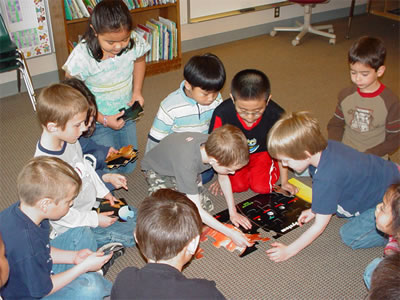
Cooperative Learning: It's All For One and One For All!
Each of the temperaments tend to have different reactions to the cooperative learning process. Golds, for example, may express their frustration in having to work in a group while Blues are delighted to have the chance to work together. However, once in groups, the learning process begins and each temperament has a chance to reinforce their strengths and develop skill strengths found in other temperaments. Oranges, for example, may find themselves responsible for checking facts, which is a task that may appeal more to Golds or Greens.
Let’s look at some temperament-specific questions relating to cooperative grouping.
Q. Should I attempt to use cooperative learning strategies with all temperaments?
A. Absolutely, although there may be some initial stresses and complaints! Someone once said that “learning is uncomfortable.” Life requires cooperation and each of the temperaments will greatly benefit by learning how to cooperate within this structure.
Q. Should I consider temperament when deciding the makeup of each team?
A. Yes. It’s helpful to have a different mix of temperaments within any task group. Each temperament has skill strengths that will help the group move forward. It is also more realistic and therefore more relevant to future experiences.
Q. Wouldn’t it be better to create homogeneous temperament groups?
A. No. Assigning Blues to work only with other Blues does not use the cooperative model to it fullest capability. Blues need to learn to work with Golds, Greens, and Oranges. Each temperament needs to understand how the others prefer to work. Only then will the exercise be truly cooperative.
Q. When assigning roles, should I allow students to repeatedly have the same role if it’s a strength to their temperament?
A. No. If given their choice, most Golds will choose to be the coach, most Greens will check facts, and most Blues will cheerlead. While staying within their comfort zone will help them hone the skills they prefer, they will experience more growth and learning by practicing those skills that are not within their preference range. We call this “doing other colors” and it’s a vital part of the learning process.
There are many more components of cooperative learning than are addressed here. For example, more comprehensive information on cooperative learning strategies and how they compare to both competitive and individualistic strategies is available in the fifth edition of Learning Together and Alone: Cooperative, Competitive, and Individualistic Learning